



This blog post explores the crucial role of construction cranes in modern engineering, examining their evolution, different types, and their impact on project efficiency and safety. It also highlights emerging trends in crane technology and their implications for the future of the industry.
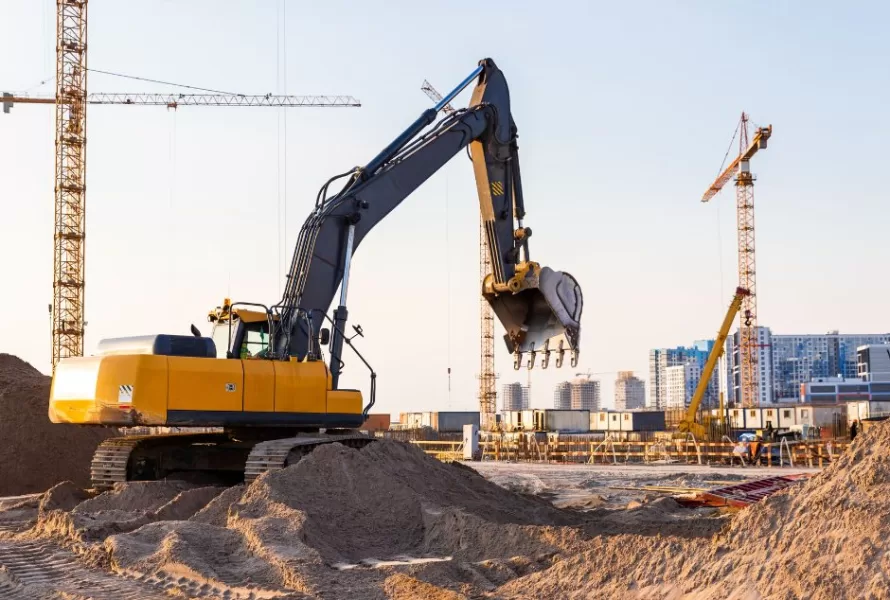
The Evolution of Construction Cranes
Early Beginnings
The history of cranes can be traced back to ancient civilizations. The Greeks, for example, built some of the earliest cranes using simple materials like wood and rope. These rudimentary devices were primarily used for lifting heavy stones during the construction of temples.
Over time, crane technology advanced significantly. By the Middle Ages, cranes were being powered by human effort, often seen in use at cathedrals and castles across Europe. The introduction of the winch and pulley system allowed for greater lifting capacity and improved efficiency.
Industrial Revolution
The Industrial Revolution marked a turning point in crane technology. The invention of steam power enabled the development of steam cranes, which could lift heavier loads and operate more efficiently than their manual predecessors. This transformation was crucial during the construction of railways and large buildings in the 19th century.
Modern Innovations
Today, cranes are predominantly powered by diesel or electricity. Materials used in crane construction have also evolved, with steel and aluminum offering superior strength and durability. Modern cranes are equipped with advanced technology, including computer controls and sensors, enhancing their precision and safety.
Types of Construction Cranes
Mobile Cranes
Mobile cranes are versatile machines designed for easy transportation and adaptability to various job sites. They come equipped with wheels or tracks, allowing them to move around freely. These cranes are commonly used in smaller construction projects or when quick relocation is necessary.
Tower Cranes
Tower cranes are essential for high-rise construction projects. Their tall, fixed structure provides a stable base for lifting heavy materials to great heights. If you’re in Utah, consider Potain’s self-erecting crane, which is a great option. Tower cranes are often seen in urban environments, contributing to the skyline of major cities.
Crawler Cranes
Crawler cranes are known for their stability and mobility. Unlike other crane types, they move on tracks, which distribute their weight evenly and prevent them from sinking into soft ground. Crawler cranes are often used in large-scale construction projects and in challenging terrains.
The Role of Cranes in Engineering
Improving Project Efficiency
Cranes play a critical role in improving the efficiency of construction projects. By lifting heavy materials and equipment, they reduce the need for manual labor and speed up the construction process. This efficiency translates to cost savings and timely project completion, which are crucial in today’s competitive construction landscape.
Safety Considerations
Safety is paramount in any construction project, and cranes contribute significantly to site safety. With proper training and operation, cranes can prevent accidents associated with lifting heavy loads. Additionally, modern crane technology is equipped with safety features like load limiters and anti-collision systems, further enhancing safety on construction sites.
Environmental Impact and Sustainability
Crane operation can also have environmental impacts, particularly in terms of fuel consumption and carbon emissions. However, the industry is moving towards more sustainable practices. Many construction companies are now opting for electric or hybrid cranes, which significantly reduce their environmental footprint.
Future Trends in Crane Technology
Automation and Remote Operation
The future of crane technology lies in automation and remote operation. Automated cranes can operate with minimal human intervention, enhancing safety and efficiency. Remote operation technology allows operators to control cranes from a distance, reducing the risk of injury associated with working on-site.
Integration with IoT and Data Analytics
The integration of cranes with the Internet of Things (IoT) and data analytics is another emerging trend. This technology enables real-time monitoring of crane performance and load conditions, allowing for predictive maintenance and reducing the risk of breakdowns. Additionally, data analytics can provide insights into crane operation efficiency, further optimizing construction processes.
Green Energy Solutions
There is a growing emphasis on sustainability within the construction industry, and crane technology is no exception. Many manufacturers are now developing green energy solutions to power cranes, such as solar panels and hydrogen fuel cells. These developments not only reduce the carbon footprint of crane operation but also align with the industry’s shift towards more sustainable practices.
Conclusion
Now that we’ve explored the evolution, types, and impact of construction cranes, it’s clear that these machines are essential in modern engineering. With ongoing advancements and emerging trends, it’s evident that cranes will continue to play a pivotal role in improving project efficiency, safety, and sustainability.
